
September 12, 2026
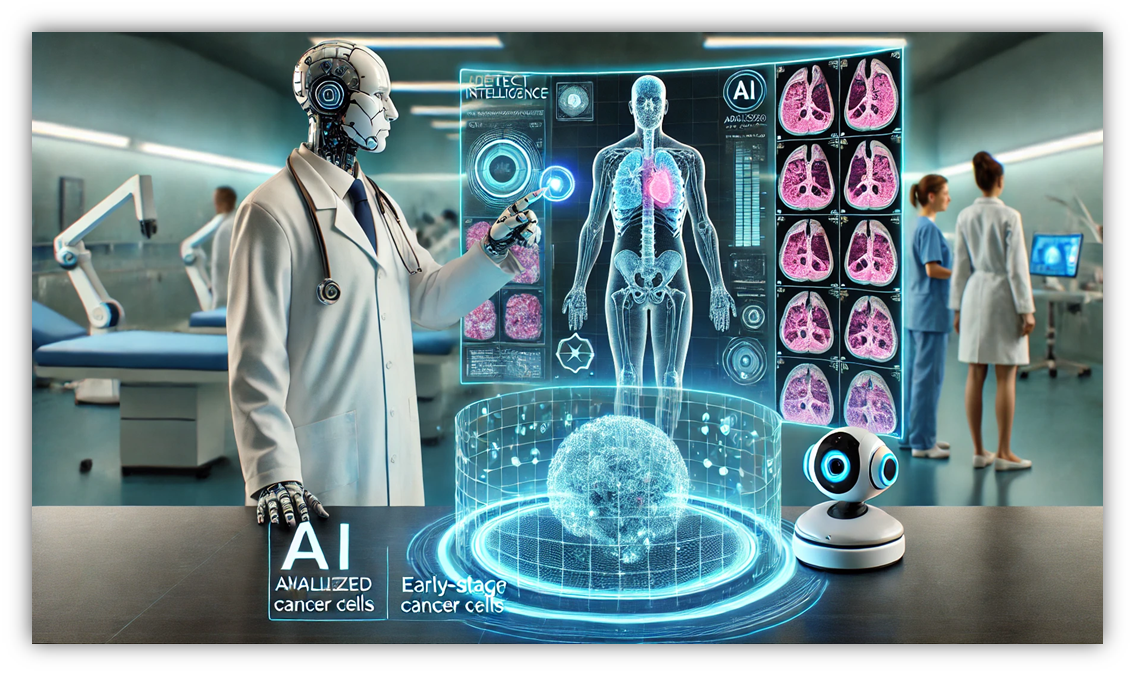
A cancer biopsy slide can already tell a pathologist a lot. Under the microscope, the shape, size, and arrangement of tumor cells can reveal what type of cancer is present and how aggressive it may be. But what if the same slide could also hint at the cancer’s genetics? That is exactly what researchers are trying to do with artificial intelligence.
A recent study published in npj Digital Medicine introduced an AI system called HE2FISH, designed to analyze routine H&E-stained biopsy slides from patients with large B-cell lymphoma. Instead of only looking at what the tumor cells look like, the system searches for subtle visual patterns linked to genetic rearrangements involving MYC, BCL2, and BCL6. These genes matter because certain rearrangements can be associated with more aggressive forms of lymphoma. Doctors usually identify them using a specialized laboratory test called FISH, or fluorescence in situ hybridization. FISH is an important diagnostic tool, but it requires extra laboratory work, tissue, time, and resources.
HE2FISH takes a very different approach. It does not directly test the genes. Instead, the AI studies the digital image of the biopsy and tries to predict whether those genetic changes are likely to be present. What makes the study especially interesting is its scale. Researchers evaluated the model using 1,377 patients from five hospitals. When tested on patients from hospitals outside the original training data, the system still performed well, reaching an AUC above 0.81 for individual gene rearrangements.
That does not mean AI is replacing pathologists or genetic testing. Far from it. The technology would be more useful as an early screening tool, helping doctors identify which patients may need confirmatory molecular testing sooner. Still, the idea is powerful. A routine biopsy slide may contain far more information than we can recognize with the human eye alone. AI could help uncover some of those hidden clues. The future of pathology may not be just about looking at cells under a microscope. It may be about combining the experience of pathologists with AI to read deeper into the biology of cancer.
Thanks for reading my blog !
MedMuse