
August 7, 2026
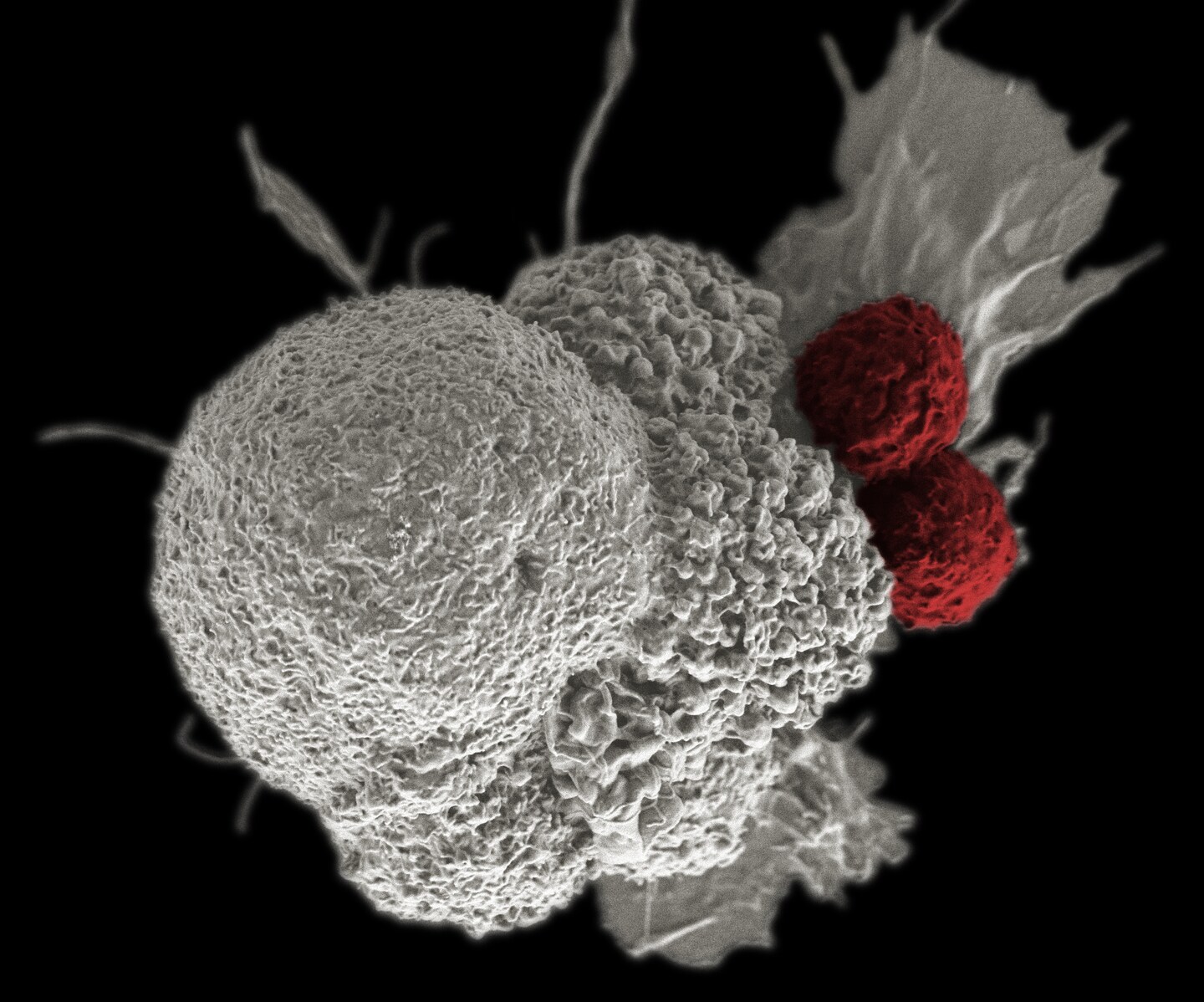
Here’s a wild thought: what if the cure for cancer was already inside you, just waiting to be pointed in the right direction? That’s not science fiction, it’s basically what CAR-T cell therapy does, and we’ve had it for almost a decade now. Doctors pull out a patient’s own T cells, the immune system’s frontline fighters, and re-engineer them in a lab to recognize cancer cells like a wanted poster. Then those modified cells go back into the body and start hunting, multiplying as they go, taking cancer down one cell at a time.
What still blows my mind is how personal this treatment actually is. This isn’t some pill mass-produced in a factory. It’s built from a patient’s own blood, rebuilt into something new, and handed back to them like a weapon they didn’t know they had. Doctors sometimes call it a “living drug,” and that’s not just a cool phrase, it’s literally true. The cells keep working and multiplying long after the treatment day is over, quietly finishing the job.
The first version got the green light in 2017 for certain blood cancers, and according to a review published in the American Journal of Managed Care this past July, it hasn’t stopped expanding since, now covering multiple myeloma too. Here’s the part that actually gets me: some of the very first patients treated are still cancer-free, years later. For people who had already run out of options, who’d been through chemo, radiation, every last-resort treatment available, this wasn’t just another drug. It was extra birthdays. Extra holidays. A future that wasn’t supposed to exist.
But let’s be honest, it’s not magic, and it hasn’t cracked cancer wide open. CAR-T thrives against blood cancers because those cells are out in the open, floating through blood and bone marrow, easy to find. Solid tumors, like the ones in lungs or the pancreas, play a completely different game. They’re physically harder to reach, and they’re sneaky, they build a kind of immune blackout zone that keeps engineered T cells from getting in. Scientists are racing to crack that problem, while also trying to make the treatment cheaper and faster, since right now, every single batch is custom-built for one person, and that takes weeks and a serious amount of money.
There’s a riskier side too, one that doesn’t always make the headlines. Because CAR-T cells hit the immune system so hard, some patients experience something called cytokine release syndrome, basically the immune system going into overdrive all at once. It’s usually manageable, but it’s exactly why this isn’t a walk-in-walk-out treatment. Patients need to be watched closely while their own bodies fight this internal war.
Ten years in, CAR-T hasn’t solved cancer. But it proved something no one could prove before: your own immune system, with the right push, can become a real weapon. And once science proves an idea like that actually works, not in theory, but in real people, in real remission scans, it’s nearly impossible to walk away from it.
Thanks for reading my blog !

MedMuse